Wedding flowers guide for Shacklewell Lane venues
Posted on 03/10/2026
Planning wedding flowers for a Shacklewell Lane venue can feel wonderfully exciting... and a little bit chaotic, if we're honest. One minute you're imagining soft blush roses and candlelit tables, the next you're worrying about buttonholes, delivery timing, and whether the bouquets will still look fresh when the photographer arrives. This guide brings it all together in one place. It explains how to choose flowers that suit local venues, how to brief a florist properly, what to budget for, and how to avoid the small mistakes that can make a lovely plan feel rushed on the day.
Whether you're getting married in a compact East London dining room, a relaxed private hire space, or a more traditional hall near Shacklewell Lane, the flowers should support the atmosphere rather than fight it. That sounds obvious, but it's the bit people often miss. The right wedding flowers do more than look pretty. They frame the ceremony, guide the eye in photos, soften hard edges, and help the whole day feel cohesive.
Below you'll find a practical, local-first approach to wedding floristry for Shacklewell Lane venues, with clear ideas you can actually use.
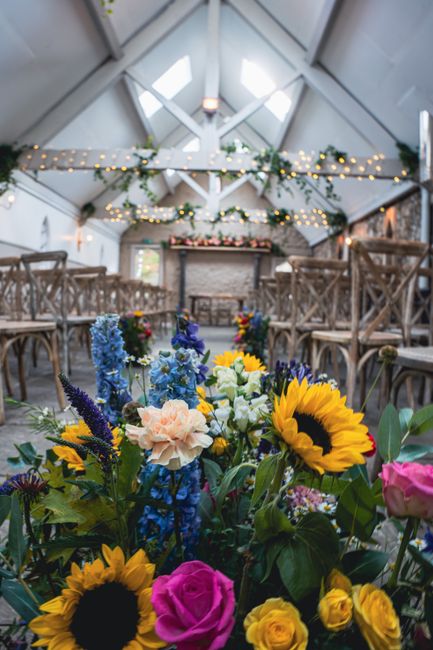
Why Wedding flowers guide for Shacklewell Lane venues Matters
Shacklewell Lane venues tend to reward thoughtful, well-edited floral design. Many spaces in this part of London are not vast blank canvases; they have personality already. You might be dealing with exposed brick, low ceilings, warm lighting, narrow entranceways, patterned interiors, or a mix of old and new details. That's exactly why a one-size-fits-all flower plan usually falls flat.
Wedding flowers matter here because they help set the visual tone without overwhelming the room. A venue with strong character often needs arrangements that enhance rather than compete. For example, a lush garden-style bouquet may suit a relaxed celebration, while a tighter, more structured design can feel elegant in a room that already has lots going on visually. The aim is balance.
There's also a practical side. London venues often work to tighter access windows, shared loading areas, and specific setup rules. So the floral plan has to look good and fit the logistics. Truth be told, the most beautiful bouquet in the world is no help if it arrives too late or can't be carried through the venue door without a careful shuffle sideways.
Good wedding floristry is part design, part choreography.
And in a busy local area like Shacklewell Lane, that choreography matters more than people expect.
How Wedding flowers guide for Shacklewell Lane venues Works
The process usually starts with the venue itself. Before you choose flowers, think about what the room is already doing for you. Is it airy or cosy? Daytime bright or evening intimate? Neutral or colourful? Once you understand that, you can decide whether the flowers should be the main feature or a supporting layer.
A sensible wedding flower plan normally moves through five stages:
- Venue review - You look at the ceremony space, reception layout, table sizes, entrance, and photo spots.
- Style direction - You decide on the overall feel: romantic, modern, classic, seasonal, minimal, or a bit wild and natural.
- Flower selection - You choose blooms, greenery, and colours that suit the palette and the venue lighting.
- Arrangement planning - You map out bouquets, buttonholes, table arrangements, ceremony flowers, and any extras.
- Delivery and setup - You confirm timings, access, and where each piece should go on the day.
If you're using a florist who already understands wedding work in London, they'll usually ask about practical things early: table dimensions, aisle width, whether flowers need to move between ceremony and reception, and how long the arrangements must stay fresh. That isn't overthinking. It's how you avoid awkward gaps and last-minute compromises.
Seasonality also shapes the process. Flowers available in a British season are often fresher-looking, more reliable, and easier to style naturally. If you want peonies in late summer or highly specific varieties at short notice, you may need more flexibility. It's not impossible, but it's worth being realistic from the start.
Key Benefits and Practical Advantages
Well-planned wedding flowers do far more than look nice in photographs, although let's be fair, that is a pretty big part of it.
Here's what you gain when the floral plan is properly thought through:
- A more cohesive venue - Flowers help connect table settings, dress colours, stationery, and decor.
- Better photos - Bouquets, table pieces, and ceremony arrangements create natural focal points for close-up and wide shots.
- Stronger atmosphere - The right scents, textures, and colours can make a room feel softer, warmer, or more celebratory.
- Smarter use of budget - Prioritising the right pieces often delivers more impact than trying to decorate everything.
- Less stress on the day - Clear delivery notes and a realistic setup plan reduce panic. Always helpful, that.
For Shacklewell Lane venues, another advantage is flexibility. Smaller or more characterful spaces often let you get away with creative choices that would look overdone in a large hotel ballroom. A few carefully placed installations, a standout bridal bouquet, and tailored table flowers can be enough to make the whole event feel polished.
There is also a guest-experience benefit that people sometimes overlook. Flower placement can guide movement through the venue. A neat arrangement by the entrance, a little floral detail near the cake table, or understated pieces on the top table all help the day feel intentional instead of improvised.
Who This Is For and When It Makes Sense
This guide is for couples who want their wedding flowers to feel considered, not generic. If you're getting married near Shacklewell Lane and you care about how the venue, outfits, and flowers work together, you're in the right place.
It's especially useful if:
- you're planning a city wedding with limited setup time
- your venue already has a strong visual identity
- you want flowers that look elegant in person and in photos
- you need bridal, bridesmaid, buttonhole, and table flowers to feel coordinated
- you're comparing bespoke floristry with simpler ready-made options
It also makes sense if you're the practical organiser in the couple and you need a structure for the floral conversation. Maybe you're not a "flower person" in the classic sense. Fine. You don't need to know every stem by name. You just need a clear brief, a sense of budget, and a realistic list of priorities.
One couple might care most about the bridal bouquet and ceremony backdrop. Another might want guest tables to feel lush and intimate. Both are valid. The trick is knowing what matters most for your day, not somebody else's Pinterest board.
Step-by-Step Guidance
1. Start with the venue and the photo plan
Before talking flowers, walk through the venue in your mind. Where will the ceremony happen? Where will guests spend the most time? Where is the best natural light? A bouquet that looks dreamy in the hand may not read the same way under warm evening bulbs, so placement matters.
If possible, ask for a floor plan or take your own notes during a visit. You want to know where flowers can live without crowding the room. A narrow staircase, for instance, may not suit a wide pedestal arrangement. Easy to miss, easy to regret.
2. Choose one clear style direction
Pick a style language early: romantic, modern, seasonal, understated, lush, vintage, or contemporary. Mixing too many references can make the result feel muddled. One strong direction is nearly always better than four half-ideas glued together.
For Shacklewell Lane venues, a refined natural look often works well: garden roses, lisianthus, hydrangea, roses, soft greenery, and maybe a few structured accent blooms for shape. But if your venue feels sharper and more modern, crisp whites, sculptural orchids, and tighter arrangements can look just as good.
3. Decide where to spend and where to simplify
Most wedding flower budgets work better when you prioritise visible moments. The bouquet, ceremony focal point, and guest tables usually deserve the most attention. Smaller details can be simplified if needed. Not everything has to be extravagant. In fact, that can look a bit much.
A good florist will help you redistribute the budget rather than just cutting items. For example, a couple of fuller statement pieces may create more impact than lots of small, scattered arrangements. That's the sort of practical judgement that saves money and improves the look at the same time.
4. Select flowers with structure and stamina
Choose blooms that hold up well through transport, setup, and the emotional marathon of the day. Roses, lisianthus, orchids, hydrangeas, carnations, lilies, chrysanthemums, and alstroemeria can all play different roles depending on the design. Delicate flowers can still be used, of course, but they need a sensible plan if the day is warm or the schedule is long.
Think about fragrance too. Strongly scented flowers can be gorgeous in moderation, though not everyone wants a room that smells like a perfume counter by 6 p.m. A light, fresh scent is often enough.
5. Confirm timing and delivery details early
This is the dull bit, and also one of the most important. Confirm:
- when the florist can access the venue
- where flowers should be delivered
- who is receiving them
- what happens if the schedule shifts
- whether any items must be moved from ceremony to reception
For a local London wedding, reliable timing matters more than flashy extras. A beautiful arrangement arriving too early can wilt. A beautiful arrangement arriving too late creates a headache. Timing is part of design. Really.
6. Build in a final review
A few weeks before the wedding, review quantities, colour tones, and any last-minute changes to the guest list or room layout. This is also the time to check buttonholes, corsages, and bridal bouquet details. Small items are easy to forget, then suddenly everyone needs one at once. Typical wedding behaviour, honestly.
Expert Tips for Better Results
After plenty of planning conversations, a few patterns keep showing up. The couples who get the best results tend to do the simple things well.
- Use one main hero flower. A signature bloom gives the design a clear identity. Everything else can support it.
- Keep the palette tight. Two to four core colours usually looks more elegant than a rainbow of good intentions.
- Match scale to space. Tiny arrangements disappear in bigger rooms; oversized pieces can overwhelm smaller venues.
- Think in layers. Bouquet, tables, entrance, ceremony, and buttonholes should all feel related.
- Ask for realistic alternatives. If a flower is seasonal or fragile, ask what can replace it without losing the style.
Another tip: bring the flowers into the room conceptually. That sounds a bit grand, but it just means thinking about how they sit with candles, linens, glassware, and chairs. A bouquet can be beautiful on its own and still clash with the room if the textures are wrong. This is where a seasoned florist earns their keep.
And don't be shy about asking for photos of past work that feels similar in scale to your own wedding. Not to copy it exactly. Just to understand whether the florist designs in the kind of language you like. A lot of stress disappears once that match is clear.
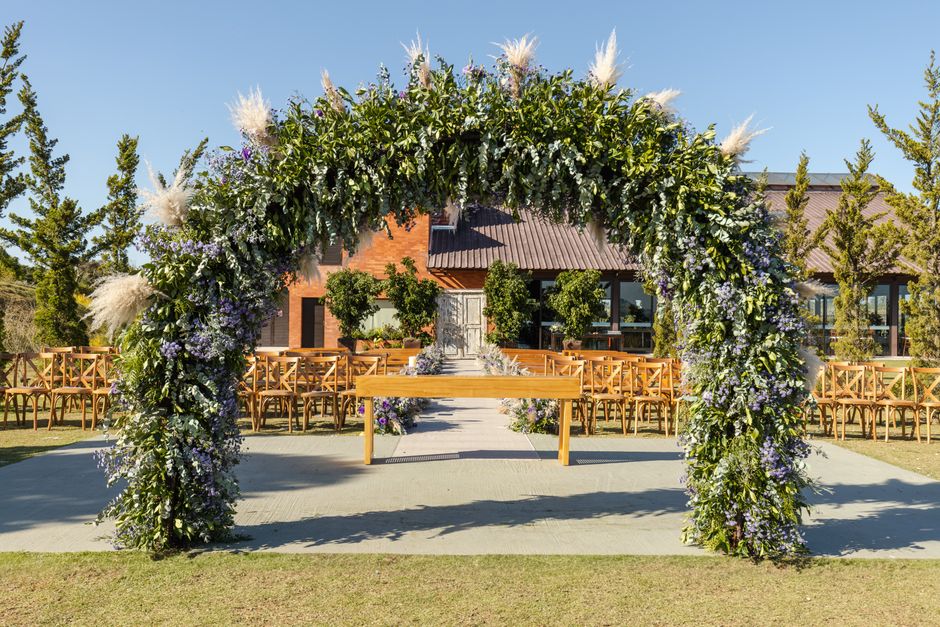
Common Mistakes to Avoid
Wedding flowers are one of those areas where small oversights become visible very quickly. The good news? Most mistakes are avoidable.
Choosing flowers before understanding the venue
People often fall in love with a bouquet style first and only then ask whether it suits the room. Sometimes it does. Sometimes it looks like it belongs at a completely different event. Start with the venue, then decide how the flowers should respond to it.
Trying to fit too many ideas into one design
Mixing romantic pastels, modern tropical stems, rustic meadow textures, and luxury white orchids can sound creative. In practice, it can turn into a visual muddle. One style direction gives the whole wedding more confidence.
Ignoring practical handling
Big bouquets can be hard to carry. Tall centrepieces can block conversation. Loose petals can scatter everywhere if they're not planned properly. Pretty is good. Usable is better.
Leaving delivery details too late
Florists need access times, contact names, and a clear understanding of where each arrangement goes. Without that, things get messy fast. The setup team does not want a scavenger hunt with roses.
Assuming every flower lasts equally well
Some flowers are tougher than others once they leave the studio. If your schedule is long or the venue is warm, choose blooms with staying power and speak honestly about what will hold up best.
Forgetting the small pieces
Buttonholes, corsages, flower girl flowers, and table details can be overlooked until the last minute. Then the panic starts. A proper checklist solves that before it becomes a problem.
Tools, Resources and Recommendations
You do not need a pile of complicated tools to plan good wedding flowers. You need a few simple resources and a clear eye.
- Venue photos and floor plan - Helps you judge scale, light, and placement.
- Colour swatches or fabric samples - Useful for matching flowers to dresses, napkins, or table linens.
- Guest count and table layout - Directly affects the number and size of arrangements.
- Flower reference images - Best when they show shape and feel, not just isolated blooms.
- Seasonal flexibility - Keeps the design fresh and usually more reliable.
For local buyers, it can also help to compare wedding-specific pages and general flower ranges so you understand what is bespoke and what is standard retail styling. For example, browsing wedding collections can give you a sense of the overall look, while items such as bridal bouquets, bridesmaid bouquets, buttonholes, and table arrangements help you picture the moving parts more clearly.
If you like a more polished and curated look, it may also be worth exploring the broader white wedding collection or the I Cherish You wedding collection. Those kinds of ranges are useful starting points when you want a joined-up feel without reinventing every detail from scratch.
And yes, if you're planning around transport or a late venue handover, keep an eye on delivery planning as well. Even the best arrangement needs to arrive at the right moment. It's hardly glamorous, but it matters.
Law, Compliance, Standards, and Best Practice
Wedding flowers are not heavily regulated in the way some industries are, but there are still sensible standards and responsibilities worth keeping in mind. In London, venue rules often matter more than national rules for the practical side of setup. Those rules can cover access times, fire exits, candle use, protective coverings, cleanup, and what can or cannot be attached to walls or fixtures.
Best practice usually means:
- checking with the venue before any installation is planned
- confirming whether fresh petals, loose greenery, or hanging designs are permitted
- making sure arrangements do not block exits or walkways
- handling flowers carefully to avoid staining soft furnishings
- agreeing who is responsible for collection after the event
If you are using hired vases, stands, or containers, make sure the florist or supplier explains return arrangements clearly. That avoids the very unromantic end-of-night pile-up where nobody knows who takes what home.
There are also consumer best-practice points to consider. Keep written confirmation of what is included, the delivery window, substitutions if a bloom is unavailable, and any cancellation or refund terms. That is simply good sense for any wedding purchase, especially when timing is tight and expectations are high.
For fresh flowers, care standards matter too. Ask how arrangements should be stored if they arrive early, whether they need water, and whether they should stay cool until setup. A few sensible precautions can preserve the finish on the day and make the flowers last longer into the evening.
Options, Methods, and Comparison Table
There is no single "best" wedding flower approach. The right one depends on your venue, budget, and style. Here's a useful comparison to help you think it through.
| Option | Best for | Strengths | Trade-offs |
|---|---|---|---|
| Full bespoke floristry | Couples who want a fully tailored look | Closest match to venue, palette, and layout; highly personalised | Usually needs more planning time and a larger budget |
| Collection-based wedding flowers | Couples who want a polished, coordinated style | Simple to choose; good visual consistency; easier decision-making | Less room for complete customisation |
| Minimal ceremony flowers with strong bouquet focus | Smaller weddings or tighter budgets | Budget-friendly, elegant, and low-fuss | Less decorative impact across the full venue |
| Statement arrangements in key areas only | Design-led venues with strong interiors | High impact where it matters most; efficient use of spend | Requires good placement planning so it doesn't feel sparse elsewhere |
For many Shacklewell Lane weddings, the sweet spot is somewhere between bespoke and collection-based. A tailored bouquet, coordinated bridesmaid flowers, matching buttonholes, and one or two strong reception arrangements can look incredibly put together without becoming overcomplicated.
Case Study or Real-World Example
Picture a couple planning a small-to-medium wedding in a venue just off Shacklewell Lane. The room has warm lighting, a mix of brick and painted surfaces, and not much spare floor space. They want the day to feel romantic, modern, and relaxed, not overly formal.
Instead of spreading the budget thinly, they choose a focused floral plan: a standout bridal bouquet, simple bridesmaid bouquets, buttonholes for the wedding party, and a set of table arrangements that echo the bouquet colours. The palette is soft white, pale blush, and fresh green, with a few slightly richer tones in the evening flowers to stop everything feeling too sweet.
Because the venue is compact, they avoid oversized pedestal displays. Smart move. Those would have dominated the room and made moving around awkward during dinner. Instead, they place florals where guests naturally pause: the entrance, the signing table, and the main dining area. The result feels intimate and intentional.
What made the plan work wasn't extravagance. It was clarity. Everyone understood the brief, the florist knew the room shape, and the couple stuck to the priority list. A fairly simple formula, really, but that's often the difference between nice flowers and a wedding look that feels genuinely complete.
And yes, the photographer had plenty to work with. Which, let's be honest, never hurts.
Practical Checklist
Use this checklist to keep your wedding flower planning on track:
- Confirm venue name, access details, and setup times
- Choose your style direction before selecting individual flowers
- Decide which items are essential and which can be simplified
- Check the table count, bouquet count, and any ceremony extras
- Review seasonal availability and possible substitutions
- Ask how the flowers will be transported and kept fresh
- Confirm any venue rules about candles, petals, or installations
- Make sure buttonholes and corsages are included if needed
- Set a realistic budget and keep a small cushion for changes
- Get written confirmation of delivery date, time, and location
- Review the final design details before the wedding week
- Arrange who will receive the flowers on the day
If you can tick all of those off without rushing, you are in very good shape. Not perfect, maybe. But very good. And on a wedding morning, that's enough to breathe a little easier.
Conclusion
Wedding flowers for Shacklewell Lane venues work best when they are designed around the room, the schedule, and the feeling you want guests to carry with them. The smartest plans are rarely the most complicated ones. They are the ones that respect the venue's character, use flowers with purpose, and leave enough room for people to actually enjoy the day.
If you remember just one thing, make it this: choose flowers that fit the space you're in, not the space you imagined on a random late-night scroll. That small shift can save money, reduce stress, and make the whole event look more natural.
For a wedding this personal, the right flowers should feel like they belong there all along. Calm. Beautiful. Unforced. And when everything comes together on the day, you really do notice the difference.
Get a free quote today and see how much you can save.
Frequently Asked Questions
What flowers work best for Shacklewell Lane wedding venues?
Roses, lisianthus, hydrangeas, orchids, alstroemeria, and seasonal greenery often work well because they can be styled in both classic and contemporary ways. The best choice depends on the venue size, lighting, and overall wedding look.
How far in advance should I book wedding flowers?
As early as you reasonably can, especially if your wedding is in a busy season. Booking early gives you more choice and more time to refine the design. If your date is close, still enquire. You may be surprised what is possible.
Can I use the same flowers for the ceremony and reception?
Yes, and many couples do. Reusing arrangements can be a smart way to stretch the budget, especially in smaller venues. The florist just needs to plan for movement and timing so nothing gets damaged during the switch.
How do I keep wedding flowers looking fresh all day?
Choose sturdy blooms, store them correctly before setup, and keep arrangements out of heat where possible. Delivery timing matters too. Flowers that arrive too early or sit in the wrong conditions are more likely to wilt.
What should I include in a wedding flower brief?
Include your venue, colour palette, guest count, bouquet preferences, table layout, budget range, and any flowers you love or dislike. If you have reference images, share those as well, but focus on the overall feel rather than copying one exact photo.
Are wedding flower collections a good option?
Yes, especially if you want a coordinated style without needing a fully bespoke brief. Collections can be a practical middle ground between custom work and off-the-shelf simplicity.
What is the biggest mistake couples make with wedding flowers?
Usually it is planning flowers without fully understanding the venue layout. A design can be beautiful and still feel wrong if it is too large, too small, or placed in the wrong spot.
Do I need buttonholes and corsages as well as bouquets?
Not always, but many weddings benefit from them because they tie the wedding party together visually. They are small details, yet they make the overall styling feel more complete.
How can I save money on wedding flowers without losing style?
Focus spend on the most visible areas, use seasonal blooms, keep the palette simple, and reuse arrangements where practical. It is usually better to have fewer, better-placed flowers than lots of scattered extras.
Can flowers be chosen to match my dress or venue colours exactly?
They can usually be matched quite closely, though exact colour matching is not always realistic because flowers are natural and vary slightly. A good florist will aim for a harmonious result rather than a rigid one.
What if my preferred flower is out of season?
Your florist should suggest alternatives that preserve the same mood, shape, or colour. That flexibility often leads to a better final result anyway. Sometimes the substitute is the smarter choice.
Should I ask about venue rules before finalising the flowers?
Absolutely. Venue rules can affect candles, hanging arrangements, petals, and setup timing. Knowing those details in advance prevents awkward changes right before the wedding.